AI Won’t Fix Healthcare Burnout, But Employees Say It Can Help
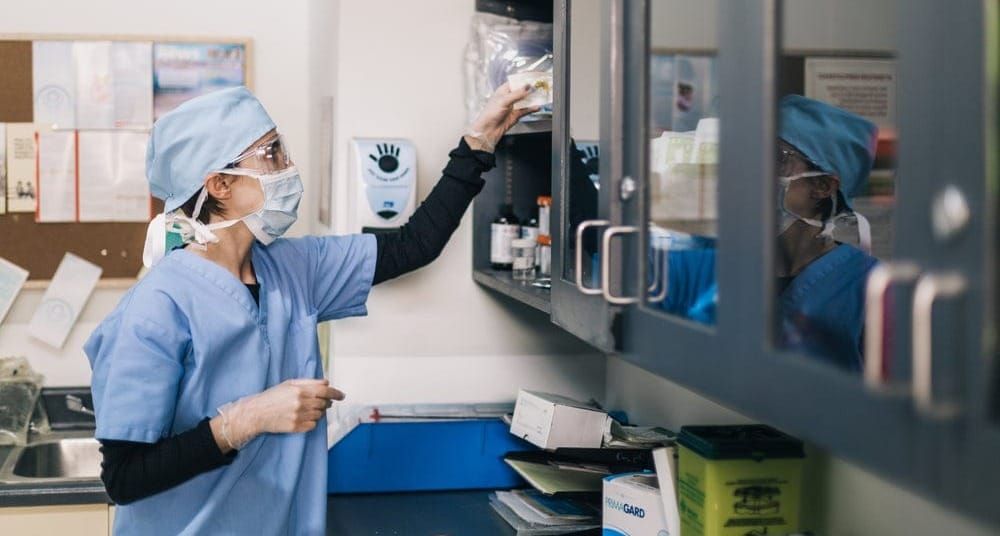
Artificial intelligence is becoming a bigger part of healthcare, but employees on Blind say the industry's biggest challenges have less to do with technology and more to do with the people expected to keep the system running.
Across workplace discussions, healthcare professionals describe an industry facing chronic staffing shortages, rising burnout, and increasing administrative demands. Many say clinicians are expected to see more patients while spending hours on documentation, creating an unsustainable workload that leaves less time for patient care.
Rather than replacing doctors or nurses, many employees see AI as a way to reduce that burden. They believe tools that automate paperwork, summarize medical records, or assist with diagnoses could free clinicians to spend more time with patients. Trust, however, remains essential. Employees generally support AI-assisted diagnoses only when a physician reviews the results and makes the final decision.
At the same time, workers argue that technology alone won't solve healthcare's workforce challenges. Nurses continue to point to long hours, burnout, and limited improvements in compensation or working conditions.
The takeaway from healthcare employees is clear: AI has the potential to improve efficiency, but it cannot replace the experience, judgment, and compassion that define quality patient care. For many workers, the future of healthcare isn't AI versus humans—it's AI helping humans do their jobs better.