Community Poll: If money was not a concern, what job would you be doing?

We have all thought about it at one point in our careers – getting the dream job that is a perfect reflection of everything you love to do. To get paid for doing the thing you love most. Even in these unprecedented times, a user-generated poll on Blind asked members, what would you do if money was no concern?
Now is the Time… or was it?
Finding your passion. Getting paid for what you love. There are many adages and troupes that celebrate and chastise the journey into finding one’s passion. This notion resonates more so as the impact of the global coronavirus pandemic continues to halt the global economy. People are either looking for work or reevaluating their life and work setup. But when you are not at work – where do you want to be? What parts of non-pandemic life do you long for most?
In addition to the millions back on the job market, many professionals also just grateful to be employed with the flexibility to work from home. Those who have been less lucky may see this as an opportunity to recalibrate and finally start trying or learning the thing that has been pushed to the backburner.
In both cases, the idea of this ‘Great Pause’ has given many, both employed and looking, time to reflect on what excites them.
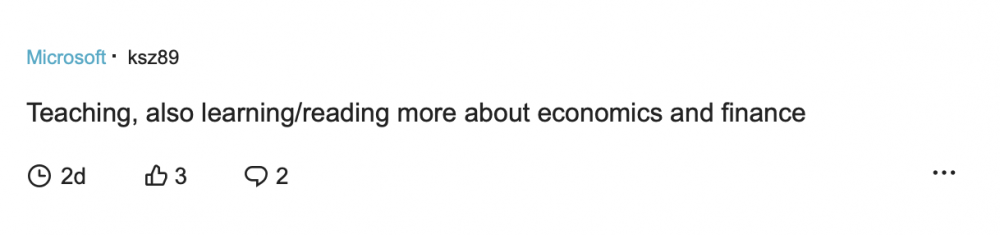
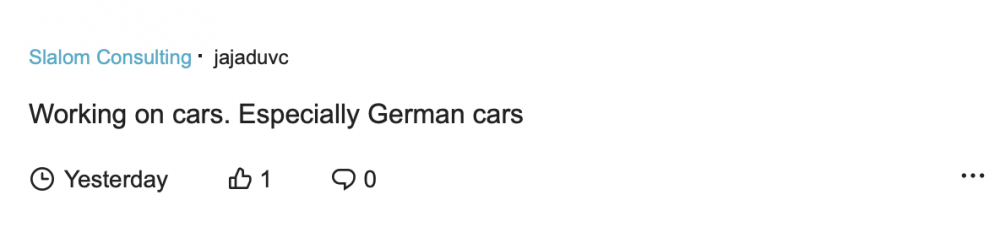
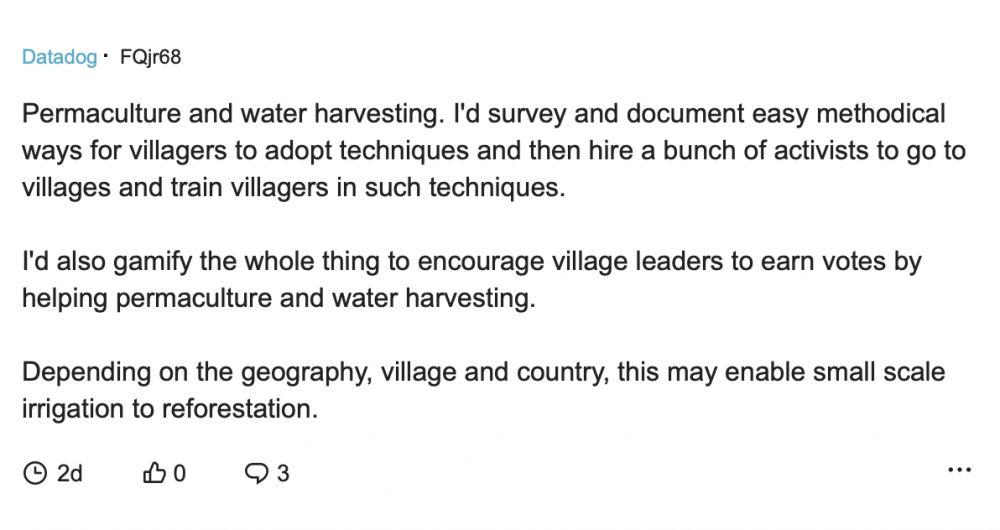
What is the community saying about what they’d be doing if money was no object?
Many professionals on Blind are sharing some of their passion jobs particularly within Education, Fitness and Recreation, and Travel and Exploration. While some are aspirational, it is very interesting to notice how some of these roles and interests can ladder back up into other parts of the business.





What can people do if they’re thinking about finding their passion?
As the way we work has quickly shifted, and we spend more time telecommuting and working more hours, professionals have thought about a pivot in their careers. If you’re considering a similar shift, there are some tips that one
- Clear your mind and cut the distractions – give yourself the mental space and breathing room to allow you to think freely. As simple as this sounds, giving yourself a chance to turn off the news, maybe even meditate can he;p bring clarity into what lights that fire inside.
- Be patient and have some self-compassion – sometimes these things and ah-ha moments take time. Allow yourself as much time to figure out what suits you.
- Note where you find your invest time and money – as simple as it sounds, be mindful of where you might be spending your time and money. It may uncover areas of discomfort and relaxation of where you’d prefer these to go.
- Reflect on what you love talking about – note on the experiences and anecdotes that you enjoy telling people. What is so memorable and sharable that it
- Think about your strengths – have friends, family, or colleagues asked for your input on a particular project or task? Your experience has given opportunities to develop transferable skills, so make a note and use them. You may even go so far as to understand your Myers-Briggs personality type for additional insight.
What can Managers learn from these comments?
Professionals are reporting higher rates of burnout since the start of the pandemic, so there is an opportunity for managers, HR representatives, and business leaders alike to take action.
- Be present and listen for their humanity – each member of your team has multiple interests. While they are still responsible for their tasks and role, listen for the cues from their weekend anecdotes. Give them opportunities to share their full selves without fear.
- Take note of when your direct reports ‘light up’ – what are the things that naturally excite them? Whether it is a recent trip or movie they have seen, note what part gets them going. Identifying what makes them ‘light up’ and connecting it back to the work. If they are interested in a particular field, maybe there is a client in that area or a chance to research a particular industry.
- Stay positive as much as possible – this is especially important during times of crisis. Very few people are energized and inspired by pessimists. Be curious and inquisitive about topics that may have been brought up between formal meeting agendas.
- Understand their short and long-term goals – uncover areas of passion that you can harness on current and upcoming projects. If you’re fortunate to work at a company with tuition reimbursement, work with them to see how they can further educate themselves and better the team.
- Strengthen team bonds and culture by creating teachable moments – if you have a direct report that has a passion for bikes, find ways where they can teach other members of your team. If a few love to travel, create moments where people can take a pause and connect on different places and destinations.