Should You Care about Your Cover Letter?
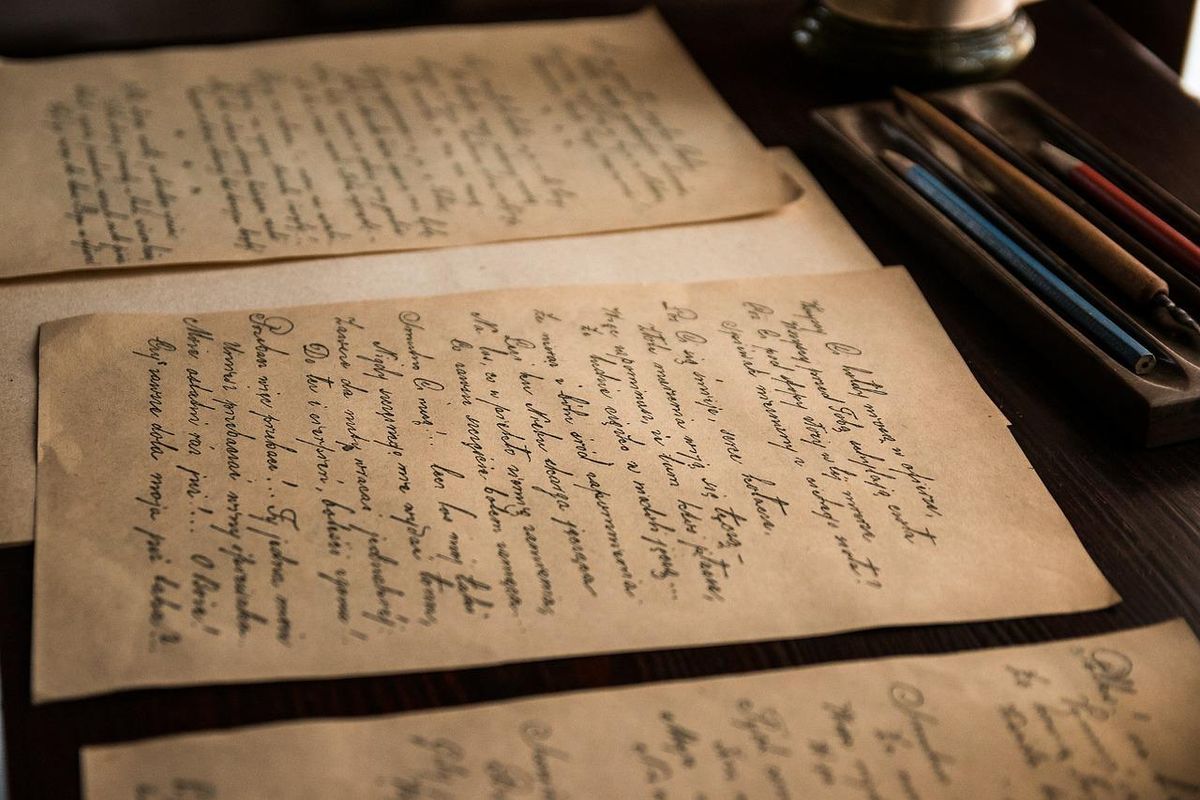
A few years ago, when I was leading one of the top Belgian Applicant Tracking Systems, I worked closely with many HR professionals. Throughout my career, I have also hired a lot of people myself, both for my companies and for others. The beginning of a letter, typical of the hundreds of cover letters you might receive, is below:
“Dear Mr. X, I am Martin, a young graduate looking for his first work experience. I am resourceful and really efficient. I love what you do and want to be part of your awesome company…”
It will take you at least 3 minutes to read the full cover letter and five more minutes if you want to take some notes. In addition to the cover letter, you will still have to read and analyze their CV or resume (at least another 3 minutes). So, if you receive ten applications or more, it will take you no less than an hour just to do a first screening.
With thousands of applications received through Talentsquare, I have learned a few things. I care about applicants and strongly believe that they deserve our full attention.
But I think that a cover letter is no longer a main differentiation of selection. Here are four main reasons why I think so:
Today’s resumes are more complete
If a resume is well presented you can easily find a 2-3 line personal summary, professional experiences with key achievements, language skills, education, hobbies, etc. Most times, I find that cover letters are no more than a summary of the resume, so why invest additional time on the same content?
Applicants use the same structure for all their applications
I know that job seekers are always trying to showcase their best skills in their application process. But the cover letter doesn’t help in this process since most applicants generally follow the same structure and many times use the same content for all positions they apply for, changing merely the company name and info. To be very straightforward:
Between lies and bullshit, it becomes hard and harder to find interesting content.
The digital world has changed the application process
Today’s world is online, which makes it easy to read applicants’ blogs, articles, social networks and statuses. I crosscheck consistency (e.g., between their resume and their LinkedIn profile), see where they are online and what they say. It also helps me to prepare for the next step of the process.
Calls and assessments tell much more than you think
There is nothing like the spontaneity of an unscheduled call to identify a candidate’s reactiveness. Indeed, it’s the best way to quickly check the veracity of a resume and to see how a candidate reacts to an unexpected situation, how they will answer your questions regarding their profile and what is mentioned on their resume.
We prefer to spend more time analyzing personality and work assessments that applicants are required to fill along with the remaining documents. It tells us a lot about the applicant’s profile and how it could fit the company culture.
In a nutshell, there is life beyond cover letters. We are not saying that cover letters cannot be an aspect of differentiation, but that will only happen if you actually invest time in making them unique.
This article was written by Timoté Geimer for HackerNoon and was edited and published with permission.